A complete guide to investing in silver for beginners: how it works, where to buy, advantages, risks, and tips for choosing safe silver instruments.
Recently, silver investment has been on the rise again. Many people are starting to look for investment alternatives that are cheap, stable, but still have the potential for profit. If you want to start managing your finances more seriously, silver could be a first choice that is pocket-friendly but still has long-term value.
In this complete guide, we will discuss what silver investment is, why it is increasingly popular, what the risks are, and how to get started step-by-step.
Also read: What is Leverage and How Does It Work
What is Silver Investment?
In short, silver investment is the activity of buying silver in physical or non-physical form with the aim of storing it as an asset and selling it in the future when the price rises.
Similar to gold, silver is a safe haven asset whose long-term value tends to rise, especially when economic conditions are unstable or inflation soars.
But silver has a unique character:
- Price much cheaper compared to gold.
- industrial demand higherespecially for electronics, solar panels and medical.
- Silver price volatility biggerso the possibility of ups and downs is faster.
According to data Silver Instituteglobal silver demand in 2023 will reach more than 1 billion ouncesdriven by the needs of the renewable energy industry. This is one of the factors why silver is increasingly attracting attention from novice and professional investors.
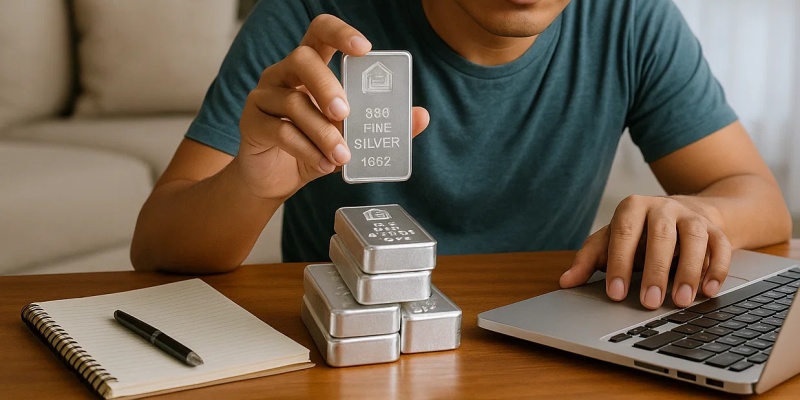
Why is Silver Investment Increasingly Popular?
There are several strong reasons why silver investment is increasingly attractive:
1. Affordable Prices for Beginners
The initial capital is small. You can start from just hundreds of thousands of rupiah to buy physical silver in small sizes. This makes many people feel “closer” to investing.
2. Long-Term Upside Potential
In the last 10 years, global silver prices have shown an upward trend despite fluctuating movements. When the economy weakens, precious metals are often sought because they are more stable.
3. Industrial Demand That Cannot Be Ignored
Around 50% of global silver use is used for industry (Statista, 2023). The modern solar panel and electronics industries rely heavily on silver, so demand is likely to continue to increase.
4. Suitable for Asset Diversification
For example, you already have savings, mutual funds, or gold. Adding silver can keep a portfolio balanced when the stock or crypto markets are down.
Also read: Binary Options: How it Works, Risks and Legality in Indonesia
Benefits of Investing in Silver
1. Hedge Value Against Inflation
When the price of necessities rises, the value of silver tends not to weaken. This helps maintain purchasing power in the long term.
2. Real Assets that Can Be Held
Many people feel safer holding physical assets rather than just looking at numbers on an app. Physical silver provides a real sense of ownership.
3. Fairly Good Liquidity
Silver is relatively easy to sell, especially in the form of bars or coins from official producers.
4. Suitable for the Long Term
Silver prices can be volatile in the short term, but have the potential to grow as industrial demand increases.
Silver Investment Risks You Need to Know
Although attractive, investing in silver is not without risk. Knowing the risks will make your decisions more mature.
1. Prices are more volatile than gold
Silver price movements are influenced by industry, so they rise quickly, but also fall quickly.
2. Storage Costs
If you buy physical silver, you need a safe storage place such as a safe deposit box or special safe.
3. Risks of Buying Non-Official Silver
Many shops sell silver without a certificate of authenticity. This makes the resale price lower.
4. Liquidity is not always stable
Certain types such as silver jewelry or non-official coins tend to be more difficult to resell at optimal prices.
Also read: Types of Investment Instruments: Examples and How to Choose the Right One
Forms of Silver Investment
1. Physical Silver (Bars & Coins)
- The most common form and the easiest to understand.
- There are sizes ranging from 5 grams to 1 kg.
- Suitable if you want to hold assets directly.
2. Digital Silver or Paper Silver
In the form of a digital balance whose value follows the world silver price. Suitable if you want to be more practical without thinking about storage.
3. Silver / Silver ETF Funds
You invest in instruments that follow global silver prices through the exchange. This is usually used by more experienced investors.
4. Silver Mining Company Shares
More risky, but can provide higher profit potential.

How to Start Investing in Silver
1. Check your financial condition
Before buying any assets, make sure your cash flow is safe. Don’t let investment interfere with your monthly needs. If you want to have a clearer picture of your financial health, you can use the features score life like:
- Check Credit History
- Credit Application Opportunities
- Financial Management & Arrears Recommendations
This helps ensure you are in a comfortable position to start investing, including getting into silver investments.
2. Determine goals: Do you want short or long term?
- For the short term, silver is less suitable because it is volatile.
- Over the long term (3-5 years or more), silver can be a stable asset.
3. Choose the most suitable type of silver investment
- Want to hold the item directly → physical silver
- Want to be practical → digital silver
- Want to be aggressive → ETF or silver mining shares
Also read: Saving vs Investing: Which should come first?
4. Buy from an official store or trusted platform
Choose one that provides:
- Certificate of authenticity
- Transparent pricing
- Product and purchase history
5. Store silver safely
If you have physical silver:
- Save it in the bank safe deposit box
- Use a fire-proof safe
- Avoid damp places so as not to reduce quality
6. Regularly monitor price movements
Silver prices follow global markets and can change daily. You can monitor from:
- Precious metals site
- International silver price chart
- Trusted financial application
Smart Tips Before Starting to Invest in Silver
1. Start from a small nominal amount
It’s okay to start slowly. The important goal is to be consistent.
2. Don’t just focus on the purchase price
Also pay attention to the spread (difference in buying and selling prices). This affects your profits when you resell it later.
3. Diversification
Don’t put all your funds into one instrument. Combine silver with gold, mutual funds, or term savings.
4. Make sure your financial condition is always healthy
You can use it score life For:
With a neater financial condition, your investment decisions will also feel lighter and more measured.

Is Silver Investment Suitable for Beginners?
The answer: yes, very suitable, especially if you want to start investing but are not ready with large capital.
Silver provides space to learn about real assets, understand price patterns, and build consistent investment habits. It’s okay if you just want to start now. Everyone has their own time.
The important thing is that you start from a controlled financial condition, not force it.
Also read: Brokers: Duties, Types and Roles in the Capital Market
Conclusion
Silver investment is an attractive option for diversification, protecting asset values, and building a portfolio with relatively affordable capital. With industrial demand continuing to grow and prices more flexible, silver remains relevant as a long-term investment instrument.
But remember: always check your financial condition before buying any assets. Use score life as a tool to monitor credit scores, manage cash flow, and see opportunities for future credit approval.
FAQ Regarding Silver Investment
- How does silver investing work?
Silver investment works by buying silver, either in physical or digital form, then holding it until the price rises. The value of silver follows global market prices which are influenced by industrial demand, inflation and economic conditions. When the price rises, you can sell it to make a profit.
- Is silver investment profitable?
It can be profitable, especially in the long term. Silver has large industrial demand so the potential for price growth remains strong. However, it fluctuates faster than gold, so it is important to adjust the portion to your risk profile and financial goals.
- Where to buy silver investment?
You can buy physical silver at trusted gold shops, official precious metal boutiques, or marketplaces that provide certificates of authenticity. If you prefer practicality, there are also digital silver and paper silver available in some investment application licensed.
- How to invest in silver stocks?
You can buy shares of silver mining companies through securities that provide access to global markets. After opening an account, all you have to do is look for a silver mining issuer, adjust the purchase amount, then carry out basic analysis such as company performance and world silver commodity prices.
- Is it better to invest in silver or gold?
Both have different functions. Gold is more stable and suitable as a long-term hedging asset. Silver is more volatile, but the initial capital is more affordable and has the potential for greater profits when industrial demand increases. Choose according to your goals and risk profile, or combine the two for investment diversification in balance.
News
Berita
News Flash
Blog
Technology
Sports
Sport
Football
Tips
Finance
Berita Terkini
Berita Terbaru
Berita Kekinian
News
Berita Terkini
Olahraga
Pasang Internet Myrepublic
Jasa Import China
Jasa Import Door to Door