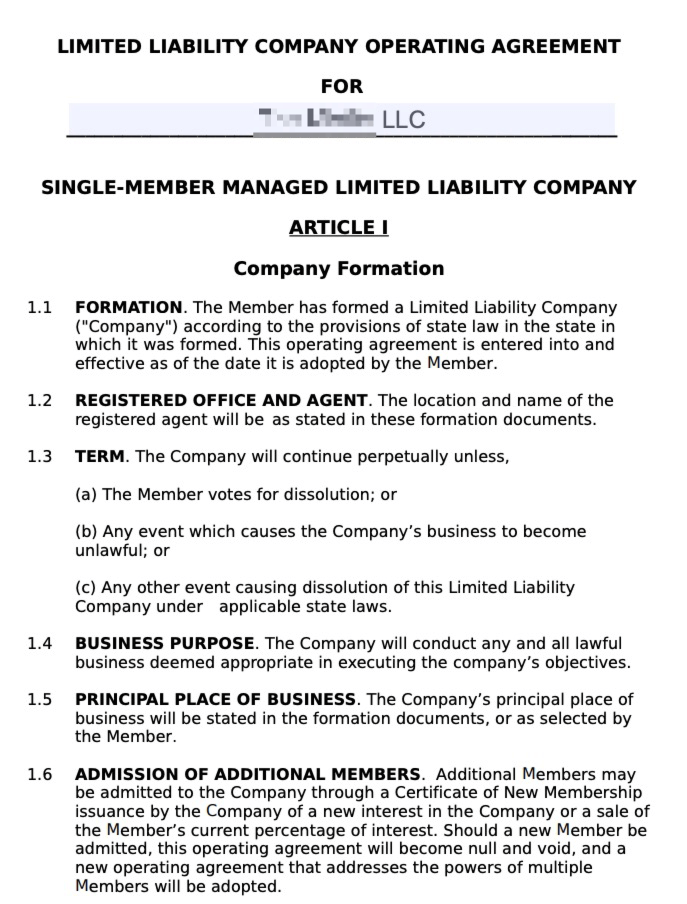
Most LLC owners never think about transferring ownership until they are in the middle of it. And by then, the mistake was already costly.
There is one specific document that determines whether a transfer is legal or a complete disaster, and if you miss the right steps, you can sell your interest and walk away with the cash while still legally assuming all the risk.
Here’s the actual process on how to transfer LLC ownership the right way.
Full Transfer vs. Full Transfer Part: Who you are Actually Dealing with
When LLC members transfer their shares, the process is governed entirely by your company’s founding documents.
Each transfer falls into one of two categories:
- Partial transfer, where some members remain, or
- Full transfer, where the entire business changes hands.
Single-member LLC owners often assume the process is simpler (and faster), but the tax exposure is much higher.
Selling even part of a single-member LLC instantly converts it to a multi-member LLC for tax purposes.
And if you sell it all, the IRS may treat it as an asset sale rather than a stock sale, which could drastically change your final tax bill.
🔖 Related Reading: How Much Do LLCs Cost by State? Full Details of Application & Ongoing Fees
The Most Important Document You Have: Your Operating Agreement
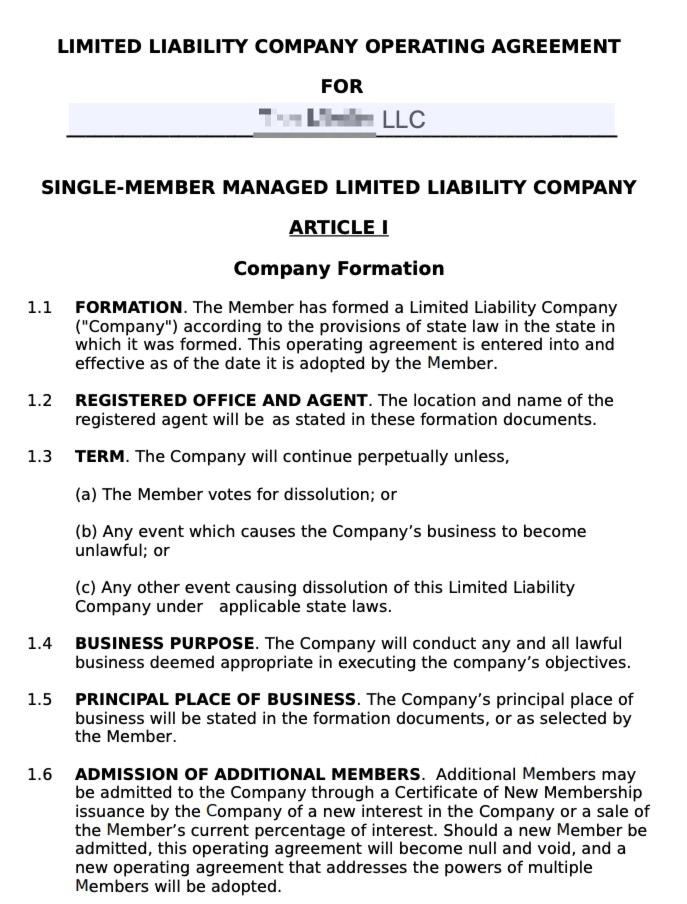
Your operating agreement is the document that controls everything here. It outlines your LLC’s tax status, ownership structure, and (if you’ve set it up correctly) the buy-sell agreement.
Buy-sell terms outline exactly how members can leave, usually requiring you to offer your share to existing members before leaving the company.
Without such laws, you are forced to follow your state’s default laws, which are rarely written with your interests in mind. This is the provision that most founders overlook when they are just starting out, and it is the provision that they most regret not having when things change.
Step 1: Determination of Interests
The transfer itself begins with a formal document called a transfer of interest, in which you transfer your share of ownership to a new person or entity.
There’s an important distinction here that catches many owners off guard: in most states, this document only transfers economic rights; means the right to receive benefits. This does not automatically confer management rights or voting rights.
For a buyer to actually have control of the business, you usually need a formal vote of existing members and an updated operating agreement that reflects the new structure.
Step 2: Negotiation, Valuation & Sales Agreement
Once the framework is set, you negotiate the terms. Most owners bring in a financial advisor at this stage to ensure the price reflects the true value of the business.
One thing needs to be understood clearly:
Tax consequences are triggered when the sale occurs, not when you file the paperwork. Time is important.
Once you reach an agreement, everything is formalized in a sales agreement. This is a contract that sets out the price, payment terms and ownership details in writing.
🔖 Related Reading: How to Add Members to Your LLC Operating Agreement: Step-by-Step Guide
Why Your Transfer May Not Hold Up in Court
If you do not follow the specific terms of your operating agreement, such as authorized member votes, transfer fees, or anything else mentioned, a court may rule that the entire transfer is invalid.
This means that if the business is sued after you “sell” your shares, creditors can still go after you personally, because legally, you are still the owner.
The paperwork isn’t just bureaucracy. That’s what makes the transfer real.
Post-Transfer Compliance Checklist
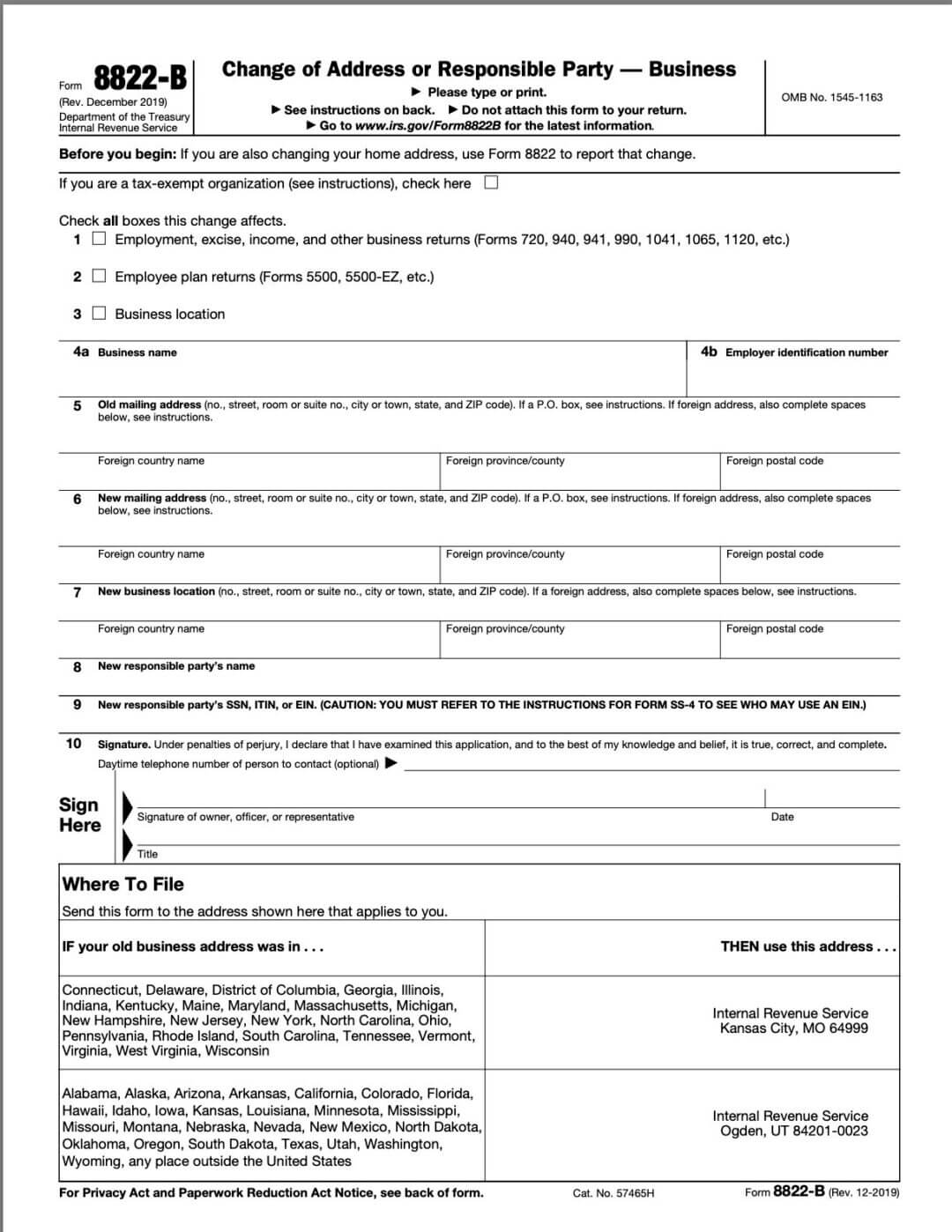
Once the deal closes, there are 4 things you need to address immediately.
✔️ Update the operating agreement. Change to accurately reflect the new ownership percentage.
✔️ Notify the state. Check to see if your state requires amendments to your statutes.
✔️ Notify the IRS. File Form 8822-B to report the new responsible party on record.
✔️ Inform all stakeholders. Update your banks, lenders, and insurance carriers immediately. Allowing this lag will create gaps in coverage and potential disputes.
🔖 Related Reading: What is doola Tax and Compliance? Your Complete Guide to Stress-Free US Business Compliance
Doola Privacy Tips Worth Knowing
If you’re transferring ownership to a holding company for privacy reasons, consider putting your personal name on the operating agreement first rather than swapping it outright for a corporate entity.
Opening a bank account and getting a loan becomes much more complicated when a corporate entity emerges as the owner too early in the process.
Once a financial relationship is established, you can update the documentation to reflect the parent company.
Build and Scale Your LLC With doola

Transferring ownership of an LLC is not just an administrative matter; it is a legal event with real tax and liability consequences.
Making mistakes doesn’t just cost you money. This can put you legally in a business that you no longer run.
The difference between a clean transfer and a costly transfer usually comes down to whether your operating agreement was drawn up properly before you needed it, and whether you followed it thoroughly when the time came.
If you’re forming an LLC now or planning future growth, the time to fix the structure is before you need to change it (not during).
Want to know what else Doola can help you with?
Register for details.
Berita Terkini
Berita Terbaru
Daftar Terbaru
News
Jasa Impor China
Berita Terbaru
Flash News
RuangJP
Pemilu
Berita Terkini
Prediksi Bola
Technology
Otomotif
Berita Terbaru
Teknologi
Berita terkini
Berita Pemilu
Berita Teknologi
Hiburan
master Slote
Berita Terkini
Pendidikan
Resep
Jasa Backlink
Slot gacor terpercaya
Anime Batch